







Search Results for: Coffee Variety Grades

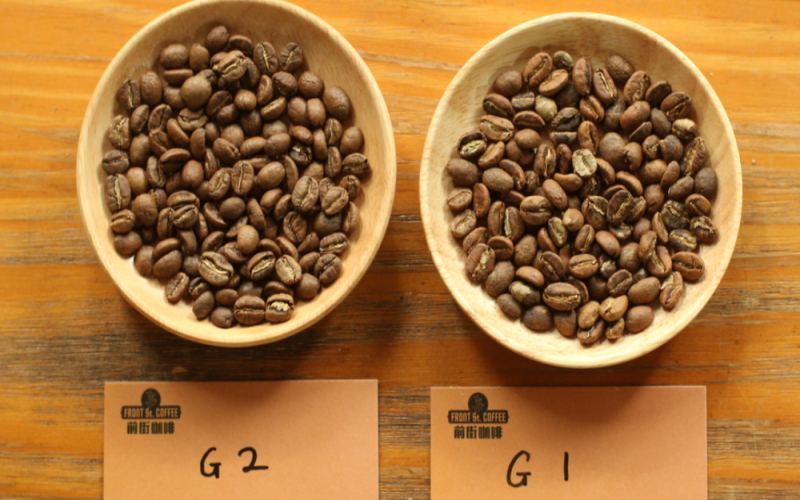
Yirgacheffe Coffee Beans G1 vs G2 Grades Explained: From Heirloom Varieties to Grading Standards
Yirgacheffe coffee beans often bear labels like G1 and G2—what exactly do these grades mean? From the perspective of Front Street Coffee, this article first introduces the origins of Ethiopia's "heirloom varieties"—the country is home to tens of thousands of incompletely identified heirloom varieties—then explains Yirgacheffe's grading system in detail: grades are determined by defect rates, with washed and natural processing each corresponding to different grade ranges, and explains how ECX and SCAA cupping further subdivide G1 through G3 into Q1, Q2 specialty and commercial grades. The article also outlines the altitude, cooperatives, and micro-region characteristics of the Yirgacheffe producing area, and includes product information for Front Street's Natural Red Cherry, Washed Gudingding, and Washed Everyday Beans, helping readers gain a comprehensive understanding of Yirgacheffe's grading system and flavor diversity. [more…]
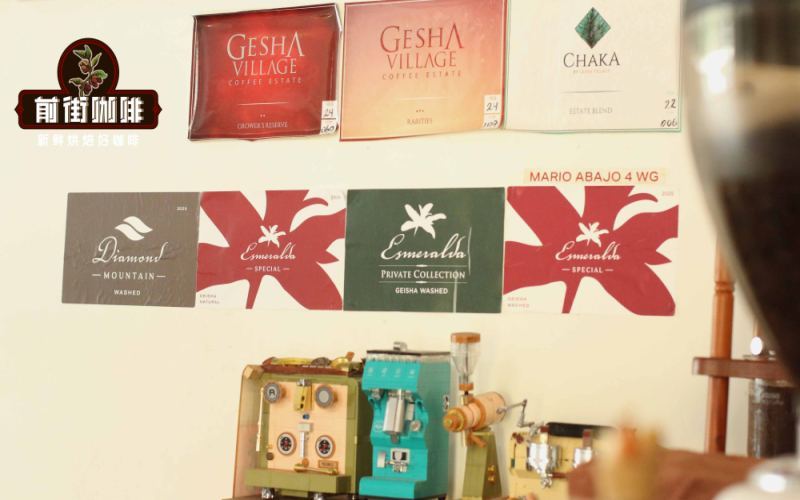
A Detailed Guide to Panama Hacienda La Esmeralda Geisha Grades: Differences and Flavor Comparison of the Three Main Grades—Red, Green, and Blue Labels
Panama's Hacienda La Esmeralda, with its refined Geisha grading system, has become a model emulated by many coffee estates. This article systematically sorts out the core differences among Hacienda La Esmeralda's three Geisha grades—Red Label, Green Label, and Blue Label—covering cultivation altitude, plot information, and blending models, while also providing an in-depth introduction to the estate's history, plot divisions, roasting recommendations, and brewing parameters. Front Street Coffee recently purchased the 2020 new-crop Blue Label Geisha, and by combining the cupping performance of the Red Label and Green Label, we guide you through a comprehensive understanding of the unique flavors and purchasing points of these three grades. [more…]
Panama Geisha Coffee Bean Variety Analysis: A Detailed Explanation of Hacienda La Esmeralda's Red, Green, and Blue Label Grades and Flavor Differences
Geisha coffee beans have long been regarded as the pinnacle of the specialty coffee world, and the Geisha produced by Panama's Hacienda La Esmeralda is the benchmark among them. This article provides a detailed overview of Hacienda La Esmeralda's history, the origin and spread of the Geisha variety, and the grading standards, altitude ranges, flavor characteristics, and market positioning of the three grades: Red Label, Green Label, and Blue Label. It also introduces Hacienda La Esmeralda's special status in the coffee auction world, helping coffee enthusiasts fully understand the grading system and flavor differences of this legendary variety. The article also includes a related share from the Front Street brand. [more…]
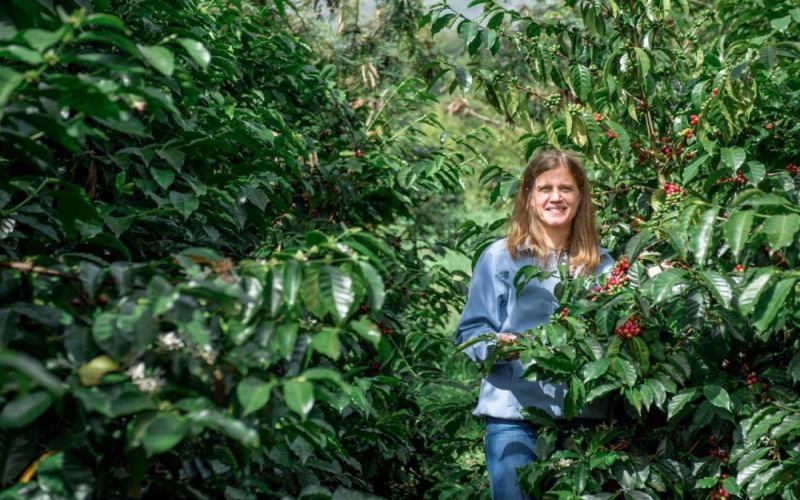
Comparison of Geisha Grades from Panama's Hacienda La Esmeralda: An Analysis of Flavor and Altitude Differences Across Auction, Red Label, Green Label, and Blue Label
Hacienda La Esmeralda in Panama is world-renowned for its Geisha variety, and its four major grades—Auction, Red Label, Green Label, and Blue Label—often confuse coffee lovers. From the perspective of Front Street Coffee, this article sorts out the history of Hacienda La Esmeralda and the logic behind its plot divisions, and explains in detail the specific differences among the grades in planting altitude, plot source, processing method, and cupping performance. Through actual roasting curves and brewing comparisons, it presents the flavor trends of Red Label, Green Label, and Blue Label Geisha in floral aroma, fruit acidity, sweetness, and body, helping readers understand how altitude classification and blending models affect the final expression of a cup of Geisha. [more…]
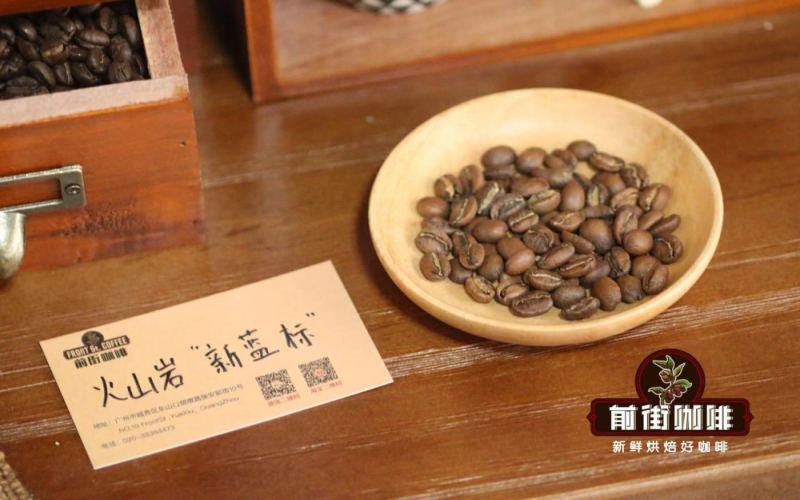
A Complete Guide to Hacienda La Esmeralda Blue Label Geisha: From Estate Grades to Brewing Methods and Flavor Profile
Panama's Hacienda La Esmeralda Geisha has long been the benchmark in the specialty coffee world, and its product line is divided into different grades such as Red Label, Green Label, and Blue Label based on cup quality performance and growing plots. Blue Label Geisha, or Geisha 1500, was once the entry-level choice for many coffee enthusiasts getting their first taste of Hacienda La Esmeralda Geisha. Although the estate has now discontinued this label, understanding its characteristics and history is still worthwhile. This article will walk you through the origin information and grading logic of Blue Label Geisha, compare the differences between Red Label and Green Label, and recommend several Panama Geisha products currently sold by Front Street Coffee, including the Boquete Geisha that is suitable for beginners. Whether you are a seasoned connoisseur or a newcomer to specialty coffee, you will find practical reference information here. [more…]
What Exactly Do the Red, Green, and Blue Labels on Geisha Coffee Beans Mean? Flavor Differences Among Hacienda La Esmeralda Geisha Grades and a Buying Guide
Hacienda La Esmeralda is the benchmark origin for the Geisha variety, and its Geisha coffee beans are classified into three grades—Red Label, Green Label, and Blue Label—according to growing altitude and cupping performance, corresponding to auction lots, private collection lots, and select lots respectively. Red Label comes from the Jaramillo and Cañas Verdes estates at 1,600 to 1,800 meters above sea level, scores above 90 in cupping, and is sold only through the annual global auction; Green Label consists of micro-lots from the three estates and retains the classic Geisha flavor; Blue Label is a blend of beans from the three estates and is only washed processed. Front Street Coffee supplies exactly these three Geisha coffees from Hacienda La Esmeralda, where the juiciness of jasmine, melon, honey, and berries interweaves, showing a balanced yet subtle evolution from warm to slightly cool. This article will explain in detail the grading criteria, origin sources, and flavor characteristics of each grade to help coffee lovers make a choice based on their personal taste. [more…]
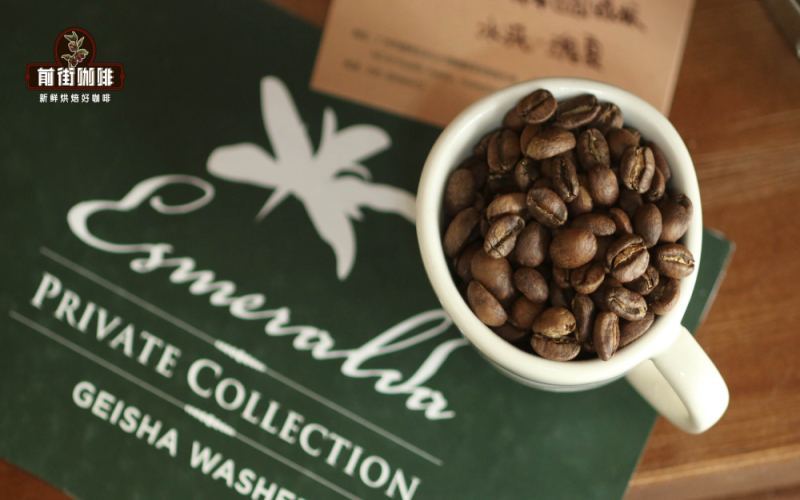
Panama Hacienda La Esmeralda Geisha Grades Explained: The Differences Between Auction Red Label, Green Label, and Blue Label and a Brewing Flavor Comparison
Hacienda La Esmeralda in Panama is renowned for its strict altitude grading and meticulous plot management, and its Geisha brand is divided into different grades such as the auction Red Label, Green Label, and Blue Label. These grades differ in growing altitude, plot source, whether beans are blended, and cup performance, and their prices and flavors diverge accordingly. This article will systematically review Hacienda La Esmeralda's origin background, plot divisions, and the definitions of each grade, and, through Front Street Coffee's roasting and brewing examples, compare the specific expressions of Red Label, Green Label, and Blue Label Geisha in aroma and mouthfeel, helping coffee enthusiasts understand the grading logic and key points for purchasing. [more…]
A Detailed Explanation of Green Coffee Bean Grading Standards: What's Behind Ethiopia G1, Kenya AA, Blue Mountain No.1, and SHB Grades?
Coffee enthusiasts often ask in the shop exactly what the difference is between Ethiopia's G1 and G2, what Kenya AA actually means, and what Costa Rica's SHB grade signifies. These combinations of letters and numbers actually reflect how each producing country evaluates the quality of green coffee beans. Due to differences in history, trade, climate, and terrain, different origins have developed their own grading systems, with evaluation criteria covering multiple dimensions such as defect percentage, bean size, growing altitude, green bean density, and processing method. This article will systematically sort out the origins of coffee grading and introduce, one by one, the green bean grade standards of representative producing countries such as Ethiopia, Kenya, Colombia, Jamaica, Costa Rica, Panama, Guatemala, El Salvador, Honduras, and Brazil. [more…]
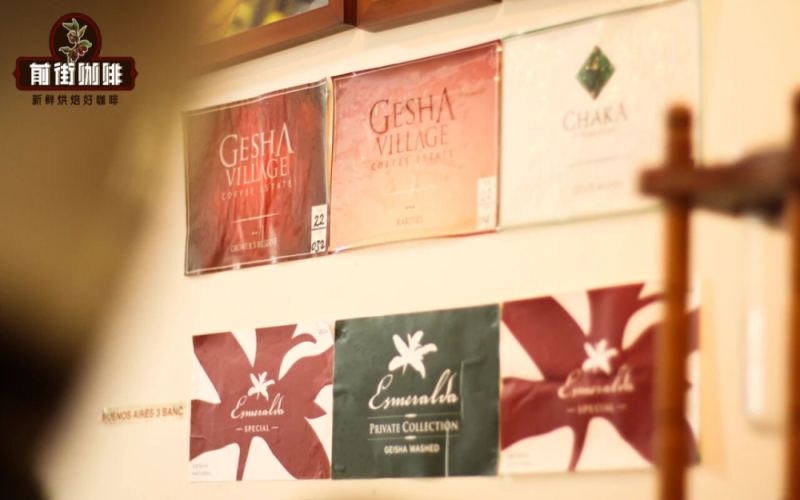
A Detailed Guide to Hacienda La Esmeralda Geisha Grades: What Exactly Sets Red Label, Green Label, and Blue Label Apart
Hacienda La Esmeralda in Panama is a major force behind the Geisha variety's rise to the world stage, and its Geisha beans are classified into three grades—Red Label, Green Label, and Blue Label—based on growing altitude and cupping performance. Red Label represents the pinnacle of the auction lot, Green Label is a reserve-grade blend of micro-lots, and Blue Label is an entry-level selection. The three differ in flavor expression and market positioning, and their prices and methods of acquisition are entirely different. This article will go through each grade one by one—origin source, altitude range, cupping threshold, processing method, and flavor characteristics—to help coffee lovers clearly identify Hacienda La Esmeralda's Geisha grading system, while also introducing the corresponding product information from Front Street Coffee. [more…]
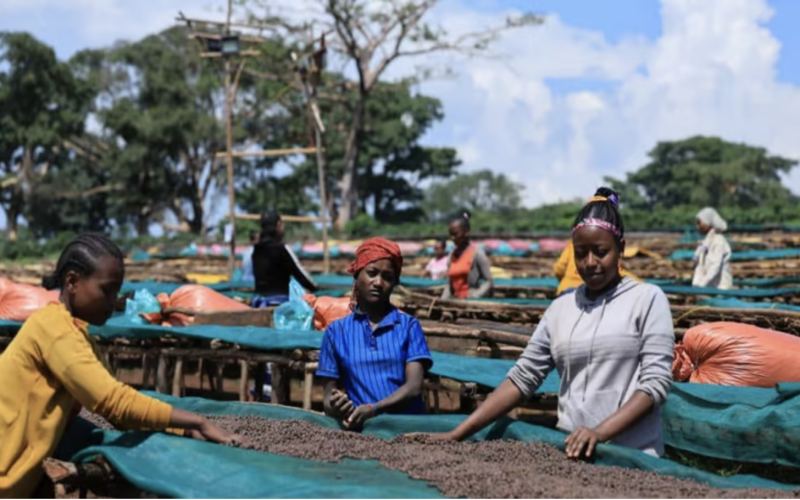
The grading system of Ethiopian coffee beans, the Yirgacheffe G1 and G2 grades.
We know that the grading method of coffee beans usually depends on the actual situation of the growing country, such as being divided according to the size of the coffee beans, like Kenyan coffee; being divided according to the altitude, like Blue Mo [more…]
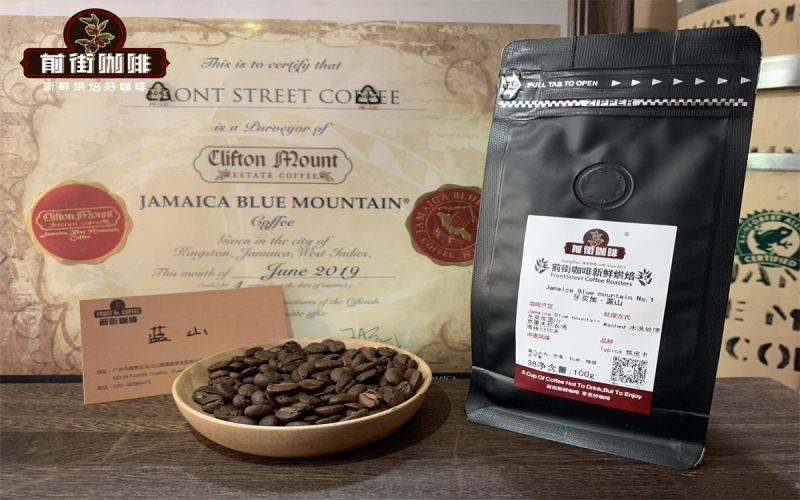
Beginner's Guide to Jamaican Blue Mountain Coffee Beans: Varieties, Grades, Processing Methods, and Pour-Over Flavor Analysis
Blue Mountain coffee is one of the most renowned representatives of specialty coffee. Originating from Jamaica's Blue Mountain region, it is beloved by black coffee enthusiasts for its rich aroma, balanced body, and sweet, clean finish. This article systematically outlines the basics of Blue Mountain coffee, from the terroir of its origin, varietal characteristics, washed processing methods, and green bean grading standards to roasting and brewing parameters. The Blue Mountain coffee bean variety is the ancient Typica, processed using the traditional washed method, and graded by green bean specifications into Blue Mountain No. 1 through No. 3, plus peaberry—four grades in total. Front Street Coffee sells Jamaica Blue Mountain No. 1 coffee beans, roasted at a medium-dark level, which when hand-brewed present a balanced, smooth flavor of dark chocolate, nuts, and toffee. [more…]
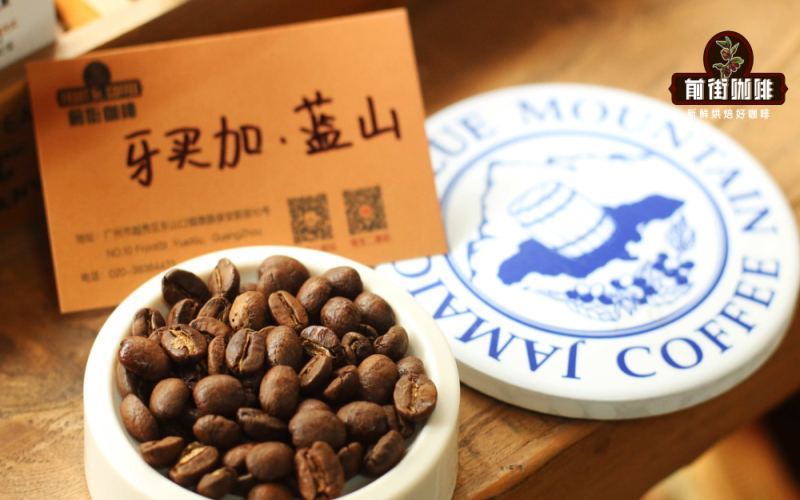
A Beginner's Guide to Jamaican Blue Mountain Coffee: An Analysis of Growing Regions, Grades, Variety Characteristics, and Brewing Essentials
Blue Mountain coffee is almost the most recognizable name in the specialty coffee world, but not every product labeled "Blue Mountain" actually comes from the true Blue Mountain growing region. From the perspective of Front Street Coffee, this article systematically sorts out the price positioning, historical origins, three major producing regions, varietal characteristics, and grading standards of Jamaican Blue Mountain coffee, and explains in detail the differences between the washed and natural processing methods of Blue Mountain No. 1. The article also includes Front Street's recommended brewing parameters and flavor descriptions, helping coffee enthusiasts not only learn about Blue Mountain but also brew a balanced and elegant cup of Blue Mountain coffee with their own hands. [more…]
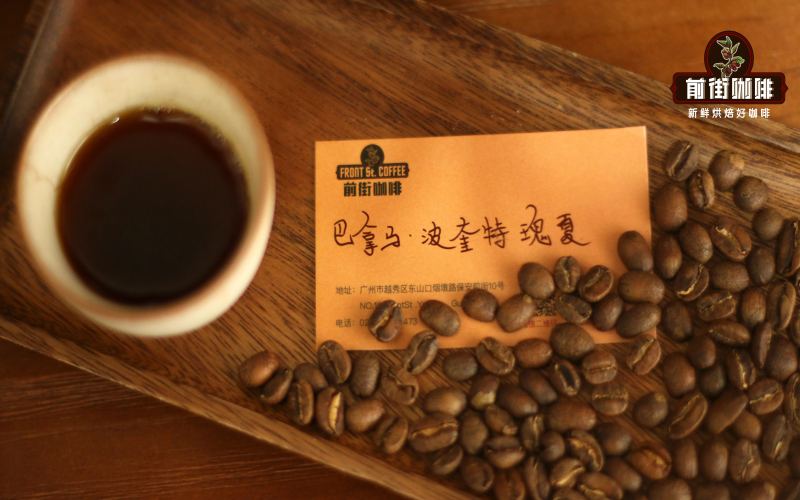
Hacienda La Esmeralda Geisha Coffee Grades Explained: Flavor Differences and Brewing Recommendations for the Red, Green, and Blue Label Series
Geisha coffee has attracted much attention in recent years, and Hacienda La Esmeralda in Panama is both the discoverer of Geisha and the promoter who brought it to the world. Hacienda La Esmeralda classifies Geisha into three grades—Red Label, Green Label, and Blue Label—according to cupping performance and growing plots, with similar main flavor notes but progressively increasing quality and price. Front Street Coffee has listed these three Geisha coffees on its bean menu, hoping to let coffee lovers appreciate the flavor charm of different grades of Geisha. This article will introduce in detail the background of Panama's coffee-producing regions, the journey of Geisha from Africa to Panama, Hacienda La Esmeralda's plot divisions and grading system, and will also include Front Street's roasting curves, cupping flavors, and pour-over brewing suggestions, helping readers fully understand the mystery of Hacienda La Esmeralda Geisha grades. [more…]
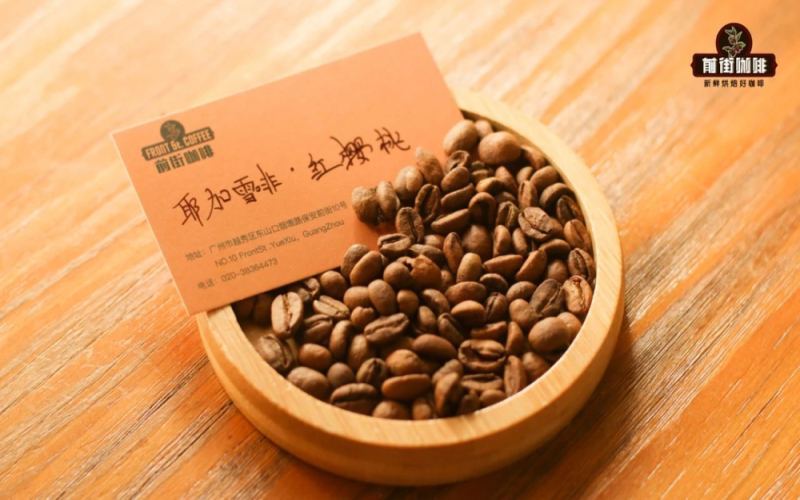
A Comprehensive Analysis of Global Specialty Coffee Origins and Representative Bean Varieties: Six Classics from African Bright Acidity to American Richness
As coffee brands proliferate, newcomers often feel lost when choosing coffee beans. Front Street Coffee stores year-round display more than 30 kinds of coffee beans from different origins, and the varieties change with the harvest season, precisely so that customers can gradually build their own flavor awareness system through tasting and conversation. Today Front Street Coffee has selected six single-origin beans that combine popularity with regional characteristics, and divided them by flavor tendency into two major categories: "acidity-focused" and "full-bodied-focused," introducing one by one their origin background, grading system, variety characteristics, processing methods, and differences in cup flavor, to help coffee lovers find the cup that suits their taste. [more…]
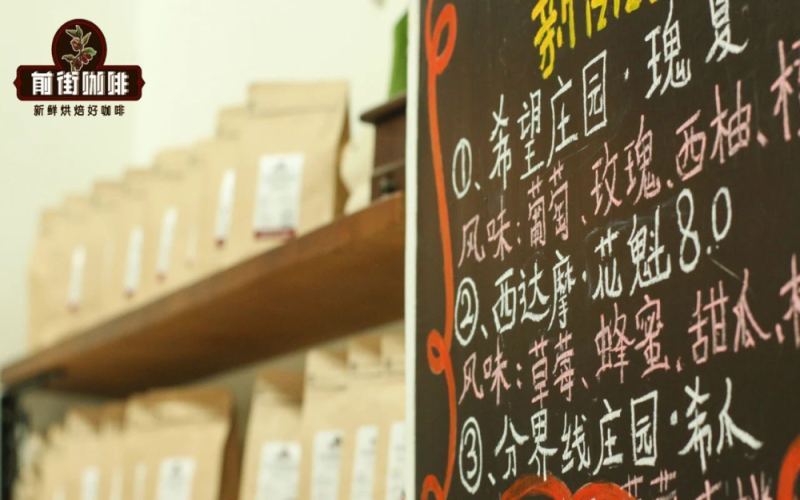
Ethiopia Gesha Village Gold Label Gesha: A Full Analysis of the Grades and Varieties of Gold Label Batch Geisha Beans
Geisha coffee is often classified in China by terms such as Red Label, Gold Label, and Green Label, but what exactly do these "labels" represent? What are the similarities and differences between the labeling systems of Gesha Village and Hacienda La Esmeralda? Starting from the common questions at Front Street Coffee's stores, this article systematically sorts out the naming logic of Gold Label Geisha, the geographical and varietal background of Gesha Village, and the grade positioning of Gold Label lots. It also explains in detail the relationship between Geisha 1931 and Panama Geisha, and includes the origin information and brewing suggestions for Front Street Coffee's Gold Label Geisha, helping coffee enthusiasts fully understand the origins and development of this rare treasure. [more…]
Flavor Guide to Specialty Single-Origin Coffee Beans from Six Major Regions: A Full Analysis of the Bright and Full-Bodied Camps
Under the third wave of specialty coffee, single-origin coffee beans are attracting more and more attention from enthusiasts. Front Street Coffee has been deeply engaged in the coffee industry since 2013, regularly stocking more than 30 single-origin beans in-store, with online varieties updated according to the harvest season. Faced with the frequently asked question "which single-origin coffee beans are delicious?", Front Street believes that taste preferences vary from person to person—some prefer fruity acidity, while others favor a rich, full-bodied profile. This article uses the two major camps of acidity and richness as its thread to systematically sort out six single-origin coffee beans that combine regional characteristics with popularity, covering Ethiopian Yirgacheffe, Kenya, Panama, Jamaican Blue Mountain, Indonesian Mandheling, and Brazilian Yellow Bourbon. From terroir, variety selection, grading standards, to processing method differences, it breaks them down one by one to help coffee enthusiasts find the cup that suits their own palate. [more…]
Ethiopian Gesha Village Coffee Bean Guide: Full Breakdown of Red Label and Gold Label Grades, Gori Gesha, and Gesha 1931 Varieties
When Gesha is mentioned, most people first think of Panama's Hacienda La Esmeralda, but the variety actually originated in Ethiopia. Gesha Village, Ethiopia's most renowned Gesha-producing origin, is located in the wild forests of Bench Maji, where three main varieties are grown: Gesha 1931, Gori Gesha, and Illubabor. Drawing on the Panamanian model, the estate has established a five-tier classification system—auction lot, gold, red, green, and chaka—with each parcel planted to only one variety, allowing the variety's origin to be traced by parcel. Front Street Coffee brings you two beans from Gesha Village, the Red Label and the Gold Label, which combine the bright acidity and fresh floral aromas of African coffee, with citrus, tea-like notes, and berries running through the flavor profile—an unmissable choice for Gesha lovers. [more…]
Origin and Spread of the Geisha Variety: A Detailed Explanation of Hacienda La Esmeralda's Red, Green, and Blue Label Geisha Grades and Plots
The Geisha variety was first discovered in the Geisha Forest of Ethiopia, and it took decades of travels before it finally blossomed and bore fruit in Panama, rising to fame overnight when Hacienda La Esmeralda won the 2004 BOP. This article will review Geisha's journey of dissemination and the development story of Hacienda La Esmeralda, explain in detail the differences among the three grades—Red Label, Green Label, and Blue Label—in altitude, cupping score, plot source, and flavor, and introduce one by one the terroir conditions and small plot distribution of the three major plots: Jaramillo, Cañas Verdes, and El Velo. At the end of the article, Front Street Coffee's brewing parameters and technique suggestions for three Geisha coffees are attached, helping you gain a comprehensive understanding of this legendary bean. [more…]
A Complete Analysis of Yirgacheffe Specialty Coffee Beans: Origin, Variety, Grade, Roast, Flavor, and Mouthfeel
Yirgacheffe is one of Ethiopia's most representative specialty coffee regions, renowned worldwide for its citrus notes, jasmine aroma, and delicate body. This article provides a systematic introduction to the unique flavor characteristics of Yirgacheffe coffee beans from the perspectives of the region's history, microclimate, processing methods, and grading system. The article notes that the first coffee trees were planted by European monks, and cultivation later shifted to farmers and cooperatives, with the region encompassing mountain villages such as Idido, Hafursa, Hama, and Biloya. Yirgacheffe is divided into two main categories by processing method: washed and natural. Under SCAA standards, washed grades are classified as Gr-1 and Gr-2, while natural grades range from Gr-1 to Gr-5. The high-quality Yirgacheffe recommended by Front Street Coffee originates precisely from specialty lots in these classic producing areas. [more…]
A Detailed Guide to Hacienda La Esmeralda Geisha Grades: Red, Green, and Blue Label Differences and Front Street Coffee Recommendations for Each Grade
Panama's Hacienda La Esmeralda Geisha coffee has always been the focus of the specialty coffee world, and its three grades—Red Label, Green Label, and Blue Label—each have their own distinctions. This article systematically sorts out Hacienda La Esmeralda's coffee grading system, analyzing in detail the specific differences between Red Label (Esmeralda Special), Green Label (Private Collection), and Blue Label (Geisha 1500, now discontinued) in terms of altitude, plot, processing method, and flavor. It also introduces the corresponding Red Label and Green Label product information from Front Street Coffee, and recommends an entry-level Front Street Coffee Boquete Geisha for beginners who are just getting to know Geisha. Whether you want to gain a deeper understanding of Hacienda La Esmeralda's marketing strategy and auction mechanism, or are looking for a Geisha coffee that suits your taste, this article can provide a clear reference. [more…]